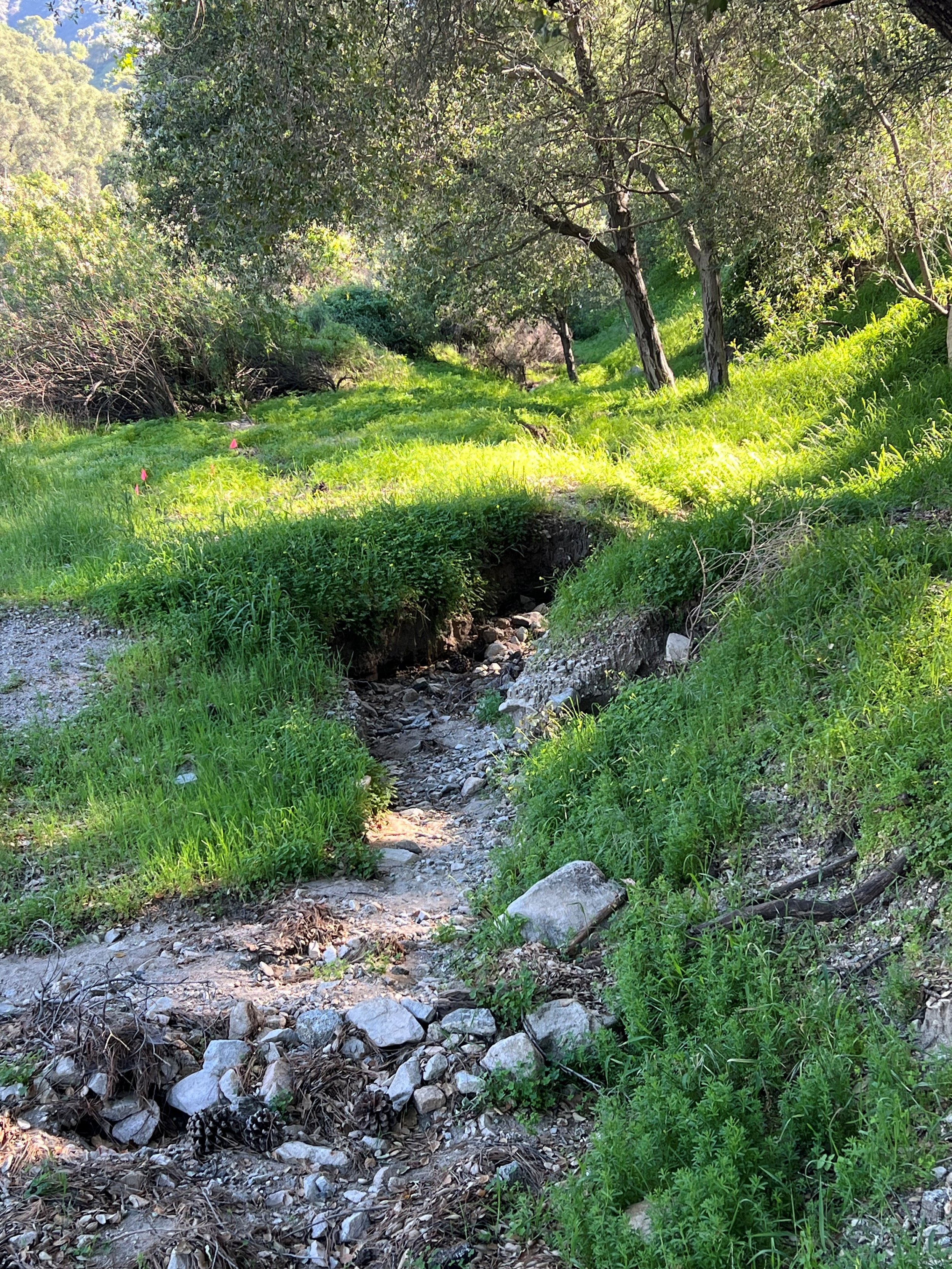
Exploring Native Plants at Rosemont Preserve
My daughter’s 2nd grade class recently took a field trip to the Rosemont Preserve in La Crescenta, California, just up the hill from Two Strike Park. I joined as a chaperone, expecting a pleasant morning outdoors—but what I didn’t expect was to rediscover the landscape through the eyes of a group of curious seven-year-olds.
We gathered first in the preserve’s “outdoor classroom,” where simple tree trunks serve as benches. Our guide introduced the space not just as a park, but as a living environment—one shaped over thousands of years by plants adapted to Southern California’s climate. Before we set out, she reminded the students that we were entering a home for wildlife, and that we should move through it with care and respect.
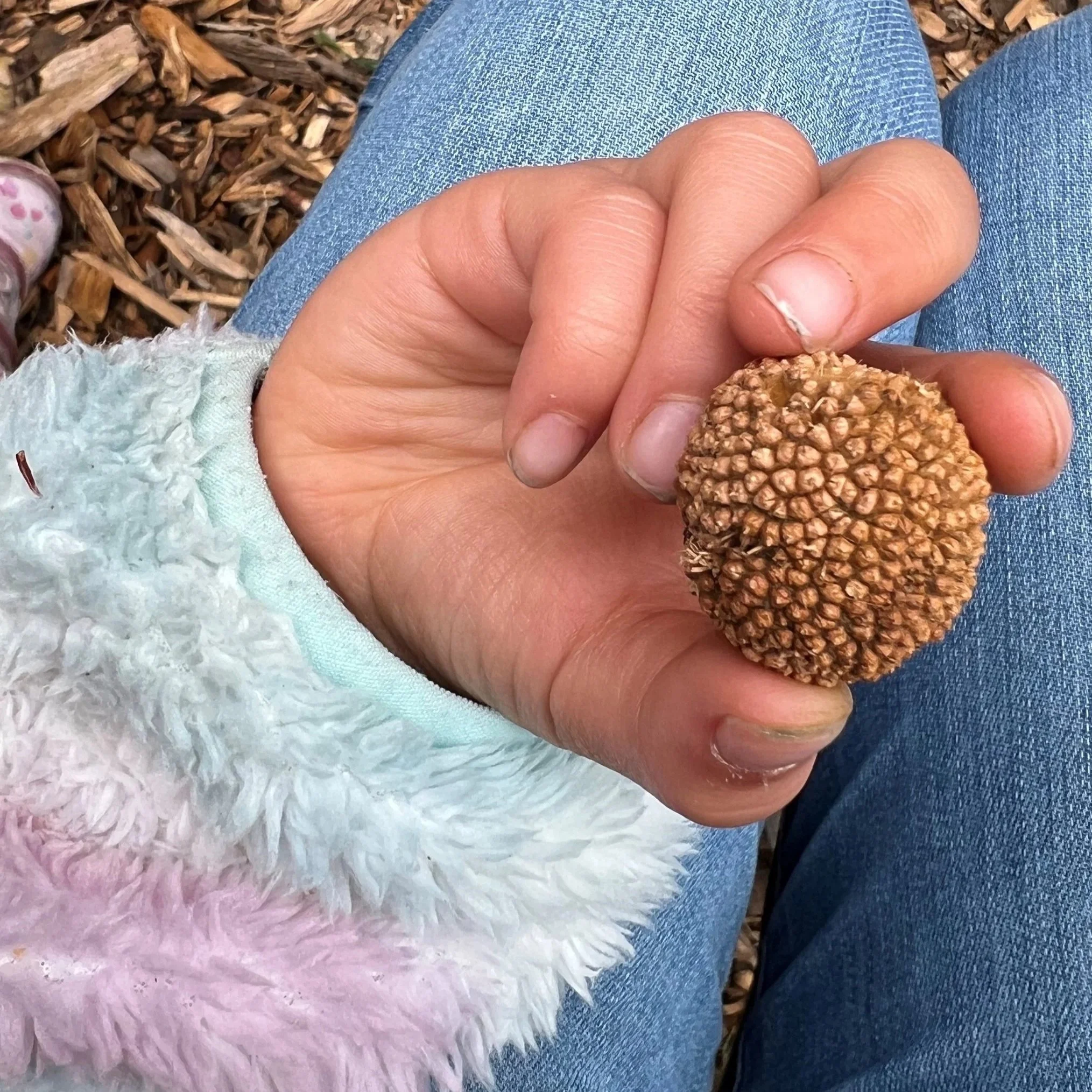
Sycamore Seed Pod
Sycamore trees are prevalent in the preserve. The children loved collecting them, but were taught that they should be left at the end of the tour in their natural habitat.
As we walked along the trail, the guide pointed out several native plants and explained how the Gabrielino-Tongva people once relied on them for everyday life—long before hardware stores or supermarkets existed. Through these examples, the students began to see the landscape not just as scenery, but as a source of food, tools, and knowledge.
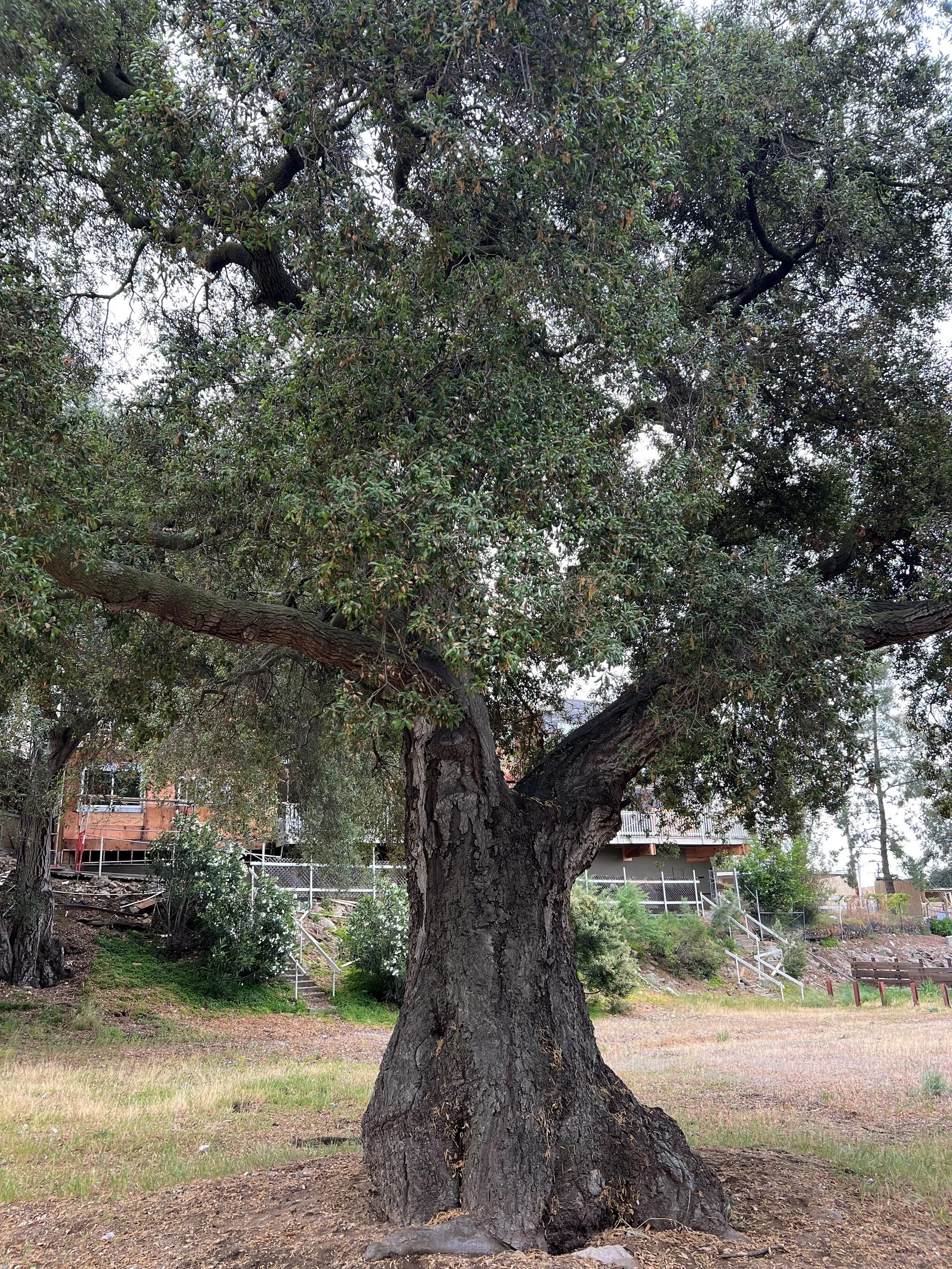
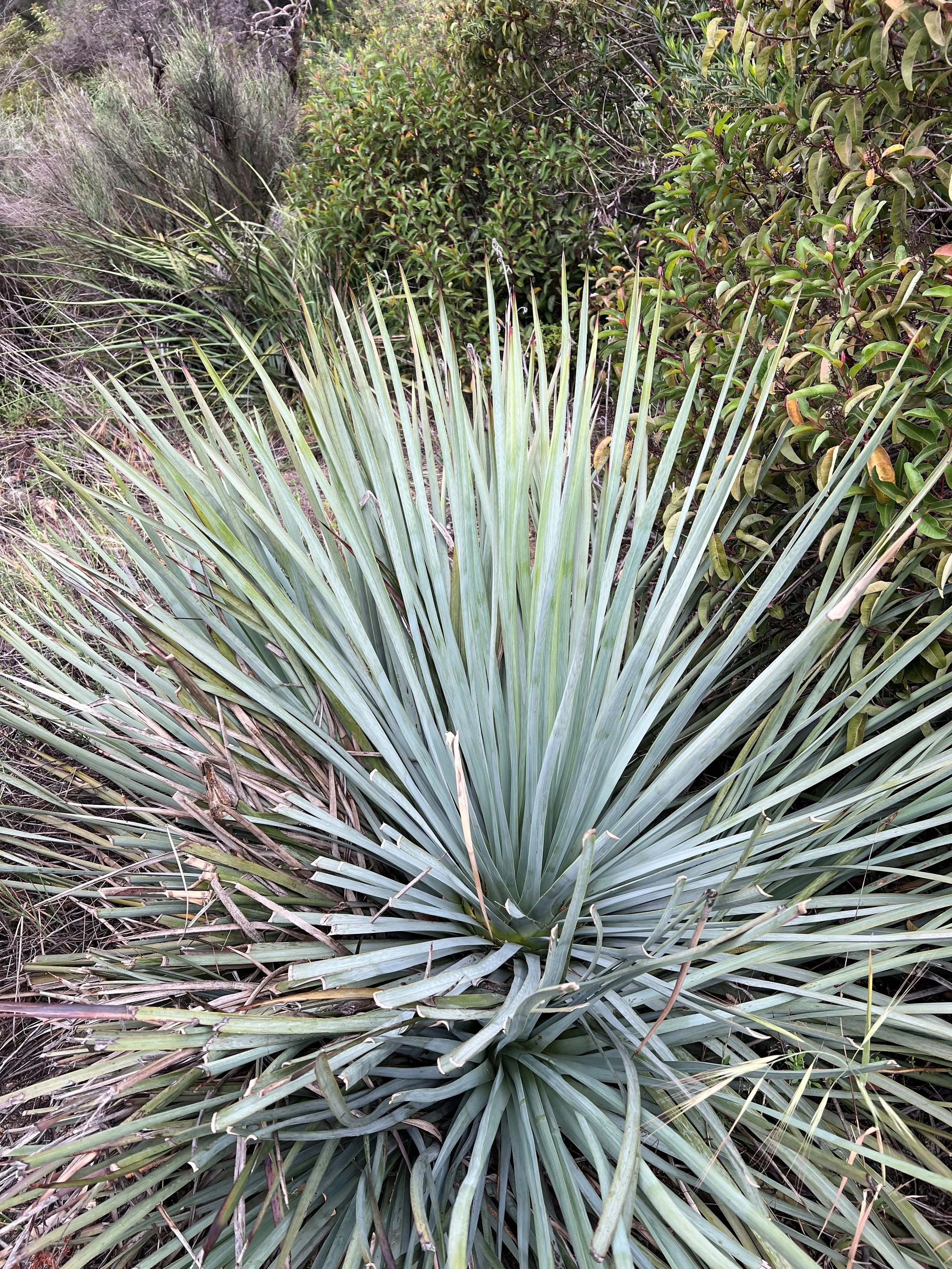
We learned that acorns from the coastal live oak were carefully processed—dried, ground, and leached—to make nourishing foods like porridge and cakes. Yucca, with its long, fibrous leaves, could be transformed into rope, nets, sandals, and baskets. Yerba santa, a plant many of us had walked past without noticing, was used to create a soothing steam to help with respiratory ailments. California sagebrush—sometimes called “cowboy cologne”—served as both medicine and a practical tool, used as an insect repellent or even to mask human scent while hunting. Black sage, too, was valued for its aromatic and healing properties.
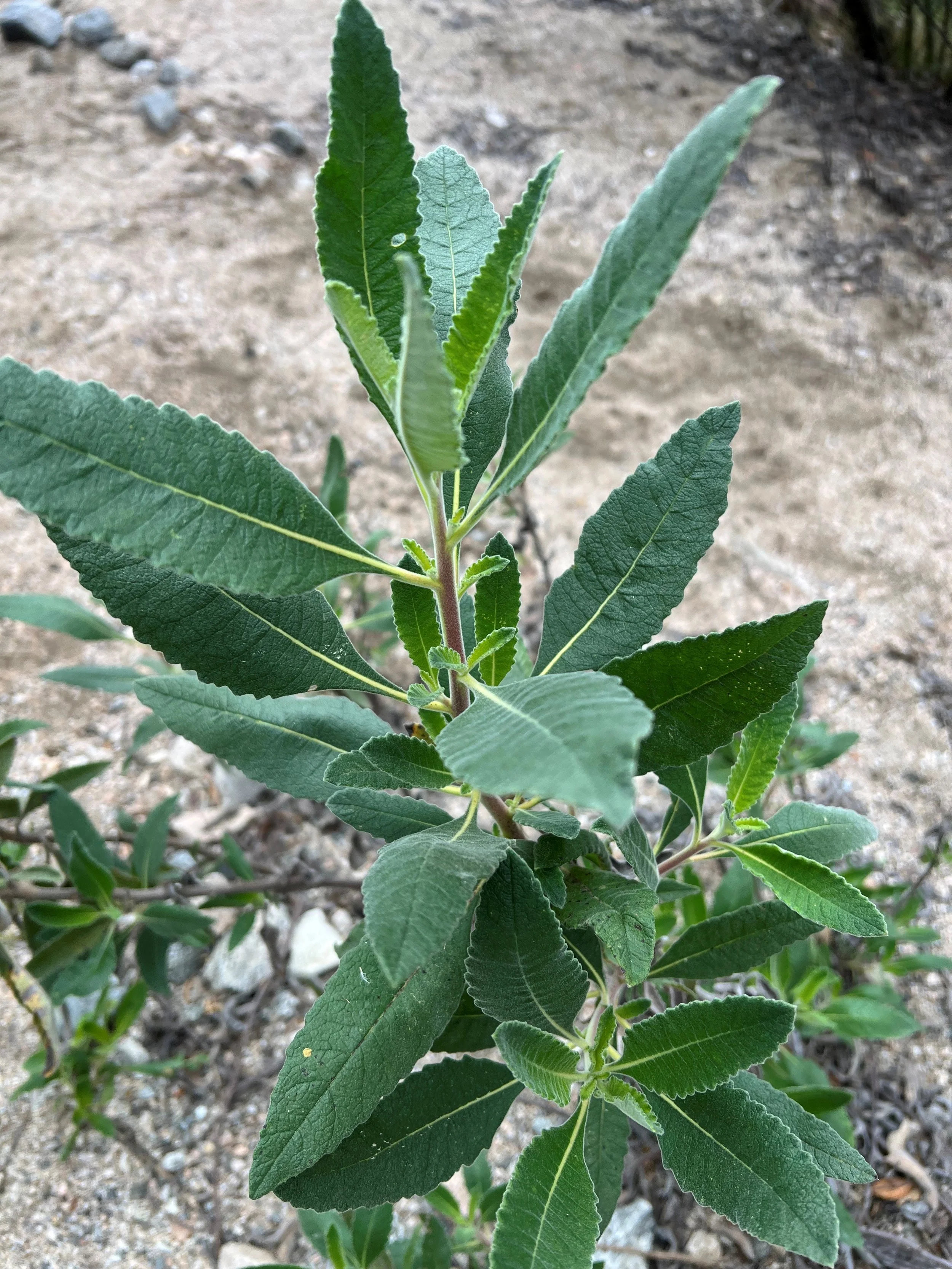
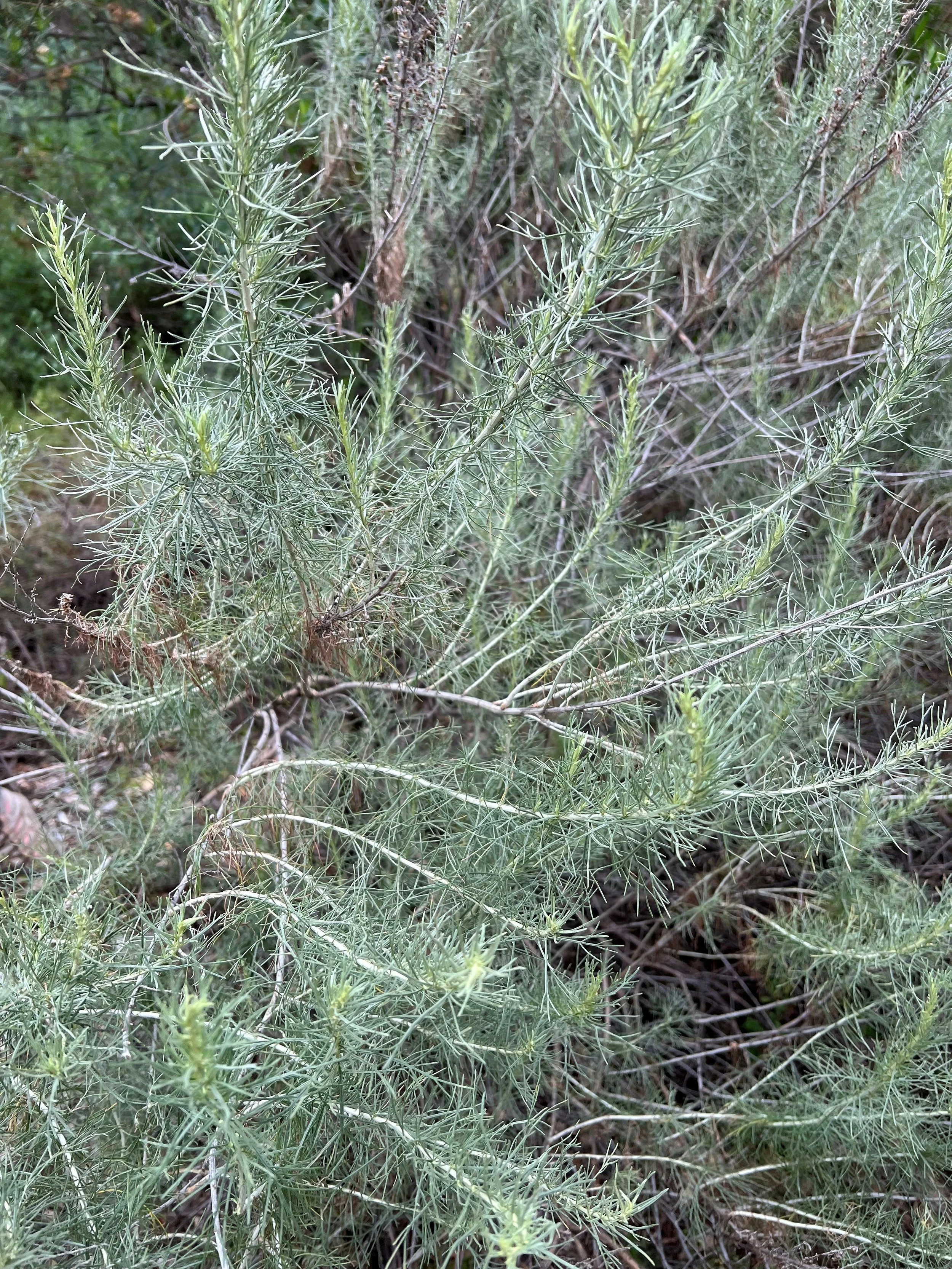
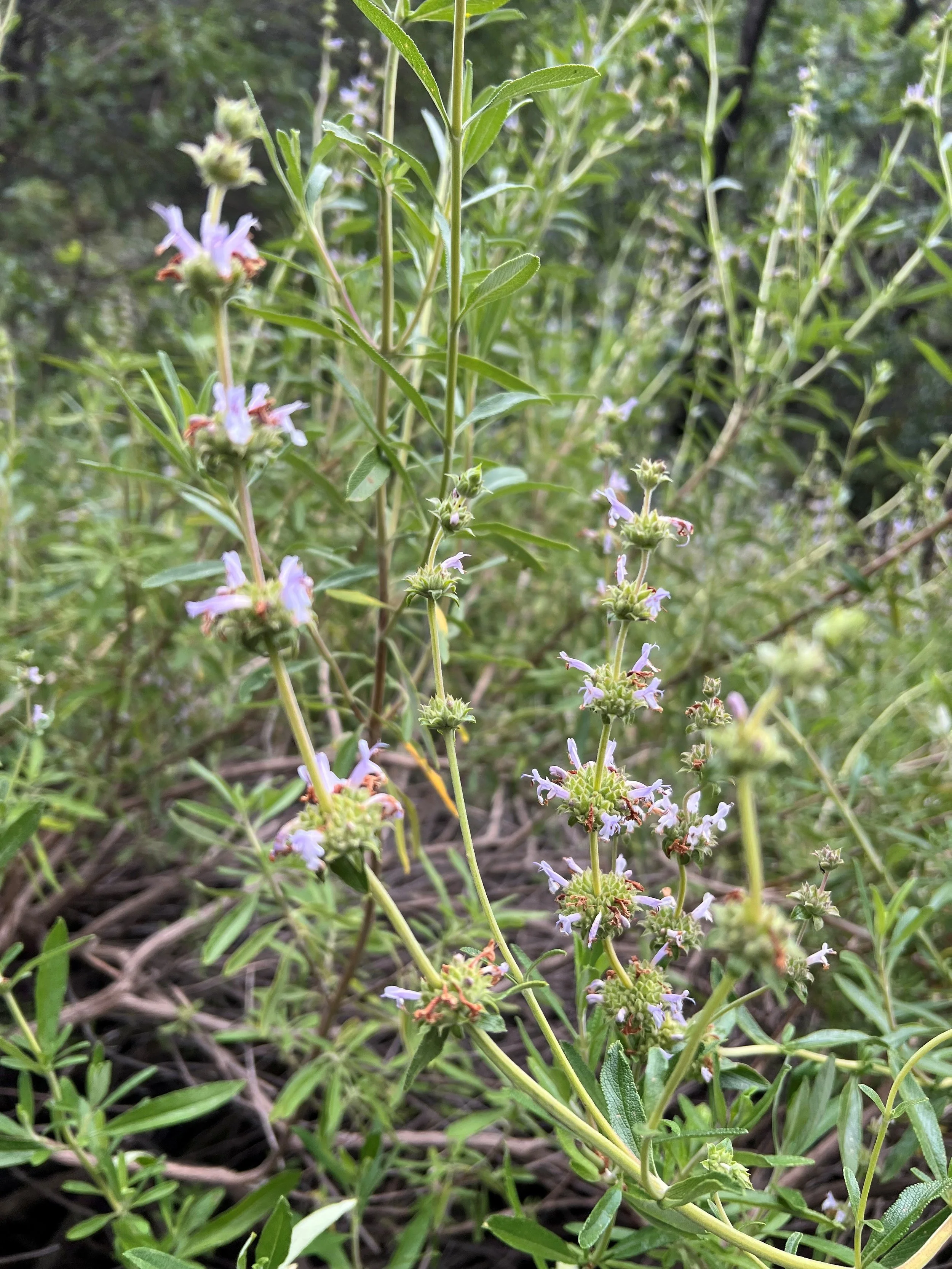
What stood out most, though, was how engaged the students were—not just in listening, but in experiencing. When we stopped to examine yerba santa more closely, the children were delighted by the soft, fuzzy texture of its leaves. That texture, our guide explained, comes from tiny hairs that help the plant survive in hot, dry conditions by trapping moisture and reflecting sunlight. It was a small but powerful example of how plants adapt to their environment in ways we might otherwise overlook.
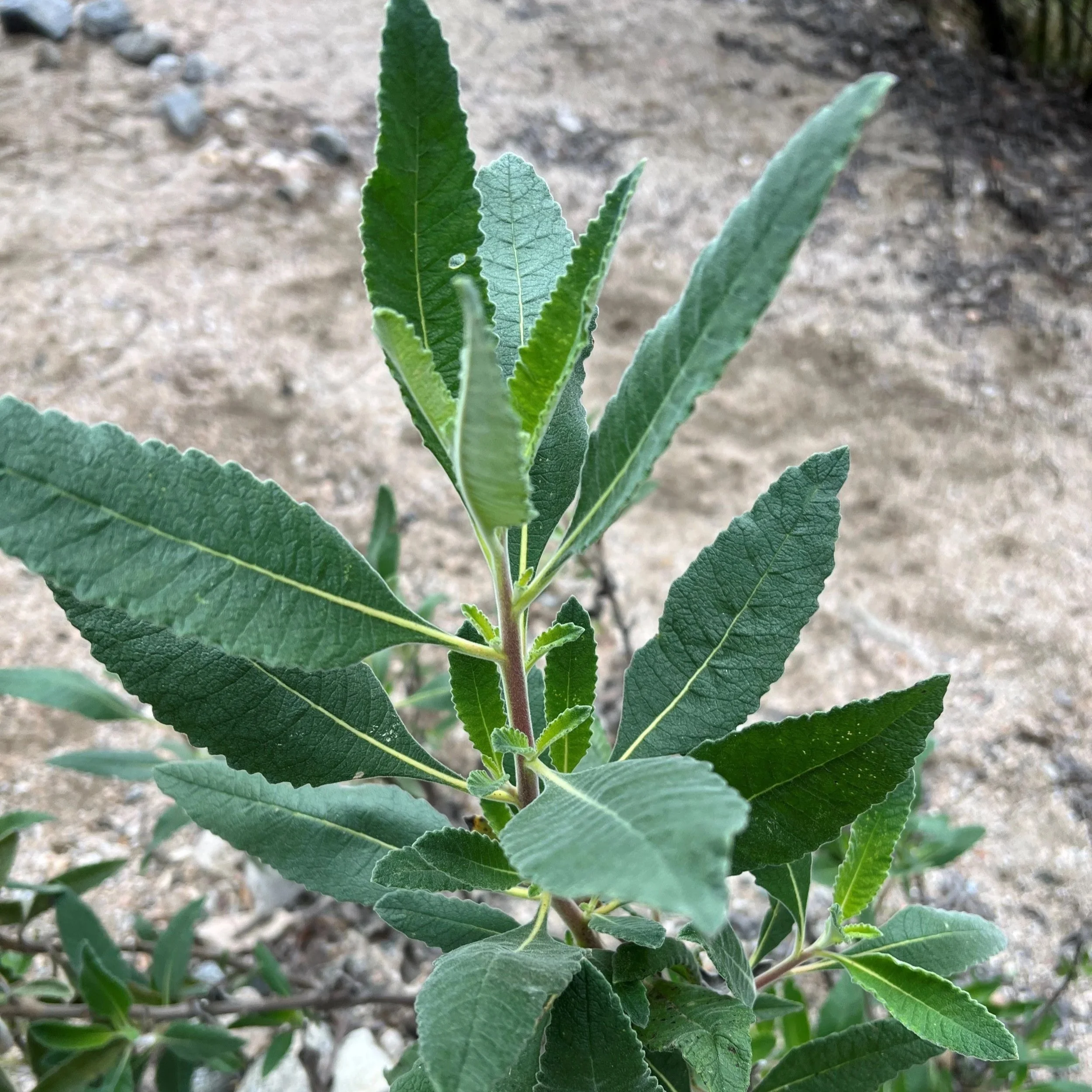
Yerba Santa
Tiny hairs help this plant survive in drought conditions, like in Southern California.
By the end of the tour, the students gathered to share what they had learned, carefully returning any acorns or leaves they had picked up along the way. It was a simple moment, but a meaningful one—a reminder that connection to nature often begins with curiosity and respect.
Spending the morning at Rosemont Preserve left me feeling grateful for the protected open spaces we have here in Southern California. Places like this not only preserve native habitats, but also create opportunities—for children and adults alike—to slow down, observe, and better understand the natural world around us.